
Hypoallergenic Dog Breeds: What That Actually Means and Which to Consider
Hypoallergenic Dog Breeds:
What That Actually Means and Which to Consider
Hypoallergenic is one of the most searched terms when it comes to choosing a dog, and one of the most misunderstood. If you or someone in your household has allergies, you have probably come across the word dozens of times while researching breeds. But what does it actually mean, and can any dog truly be allergy-free? The short answer is no, but the longer answer is much more useful. Some breeds are significantly less likely to trigger allergic reactions than others, and understanding why can help you make a genuinely informed choice rather than one based on a marketing claim.
What "hypoallergenic" actually means
The word hypoallergenic means less likely to cause an allergic reaction, not incapable of causing one. No dog is completely allergen-free. The culprit in most dog allergies is not actually dog hair, as many people assume, but a protein called Can f 1 found in dog saliva, urine, and dander. Hair carries dander and spreads it around, which is why heavy shedders tend to be worse for allergy sufferers, but even a hairless dog produces dander and saliva. What makes certain breeds easier to live with for allergy sufferers is a combination of lower shedding, less dander production, and in some cases coat types that trap rather than scatter allergens. These traits do not eliminate the risk, but they can reduce it significantly enough to make a real difference in day-to-day life.
Poodle (Standard, Miniature, or Toy)
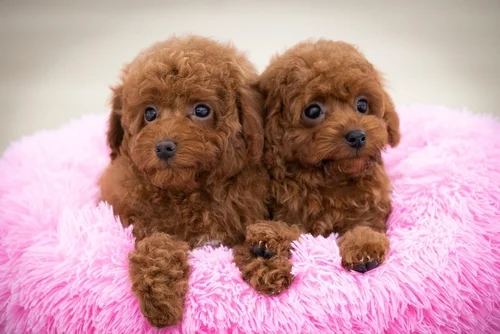
The Poodle is the gold standard of hypoallergenic dogs and for good reason. Their dense, curly coats shed very little and trap dander close to the skin rather than releasing it into the air. Poodles are also highly intelligent, easy to train, and come in three sizes, Standard, Miniature, and Toy, making them adaptable to a wide range of households. They do require regular grooming to prevent matting, but for allergy sufferers the trade-off is almost always worth it.
Bichon Frise
The Bichon Frise has a soft, tightly curled coat that sheds minimally and catches dander effectively. They are small, cheerful, and genuinely people-oriented dogs that do well in apartments and homes with children. Like Poodles, they need regular grooming to keep their coats from tangling, but their low-shedding profile makes them one of the more reliable choices for allergy-prone households. Their outgoing, gentle nature is a bonus.
Maltese
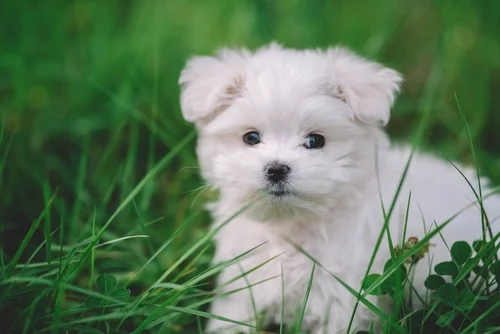
The Maltese has a long, silky coat that looks like it would be a problem for allergies, but because it grows similarly to human hair rather than traditional dog fur, it sheds very little. Maltese dogs produce less dander than many breeds and are a popular choice for people with mild to moderate dog allergies. They are affectionate, adaptable, and bond closely with their owners, making them a good fit for families and individuals alike.
Portuguese Water Dog
The Portuguese Water Dog became significantly more well-known after the Obama family chose one specifically for its allergy-friendly profile. These athletic, energetic dogs have a wavy or curly coat that sheds minimally, and they tend to produce less dander than many comparable breeds. Portuguese Water Dogs are intelligent, loyal, and need regular exercise, making them a great fit for active households looking for a medium-sized, lower-allergen dog.
Schnauzer (Miniature, Standard, or Giant)
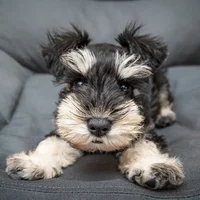
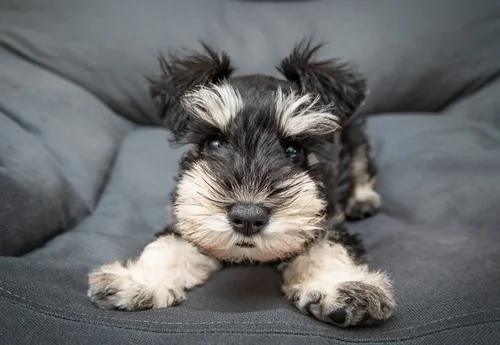
Schnauzers of all sizes have a wiry double coat that sheds very little, making them a consistently recommended breed for allergy sufferers. Miniature Schnauzers are particularly popular for their compact size, spirited personalities, and low-shedding profile. Standard and Giant Schnauzers bring more energy and a stronger protective instinct. All three varieties require regular grooming, but their low-allergen profile and loyal, alert temperament make them worth the upkeep.
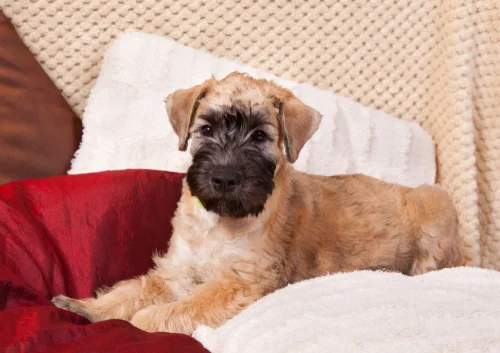
Soft Coated Wheaten Terrier
The Soft Coated Wheaten Terrier has a single-layer coat of soft, silky fur that sheds minimally compared to double-coated breeds. They are energetic, playful, and affectionate, a good match for active families who want a medium-sized dog with a lower allergen profile. Wheatens are a bit more independent than some breeds on this list, which means consistent training from an early age matters, but for the right household they are a wonderful, low-shedding companion.
Basenji
The Basenji is one of the lesser-known options on this list but worth serious consideration. These short-coated, elegant dogs groom themselves similarly to cats, produce minimal dander, and shed very little. They are also famously quiet. Basenjis do not bark in the traditional sense, which is a bonus in close-quarters living situations. They are independent and can be stubborn, so they are better suited to experienced dog owners, but for allergy sufferers looking for something a little different, the Basenji is a compelling choice.